
Home | Anecdotes | Articles | Digital Products | Icebreakers | Programs | Quotations
Module 6 - Learning Resources
In this final module, we will explore learning resources that support your personal learning and provide source materials for your own learning events.
Objectives
When you have completed this module, you will be able to:- List the learning resources that are available to you and
- Decide which are best for your current needs.
Icebreakers
Icebreakers are very useful for introductions, revision, illustrating learning points, team building and providing breaks during learning events. Our Icebreakers Collection offers a good source of icebreakers, brain teasers, energisers and exercises.
Resources
Developing your own learning resources can be a lengthy and expensive process, so having access to a set of quality resources can be beneficial. Many of our Learning Pages online resources are available free of charge.
Paid subscribers have access to PDFs of the articles, as well as spreadsheets and apps.
Books
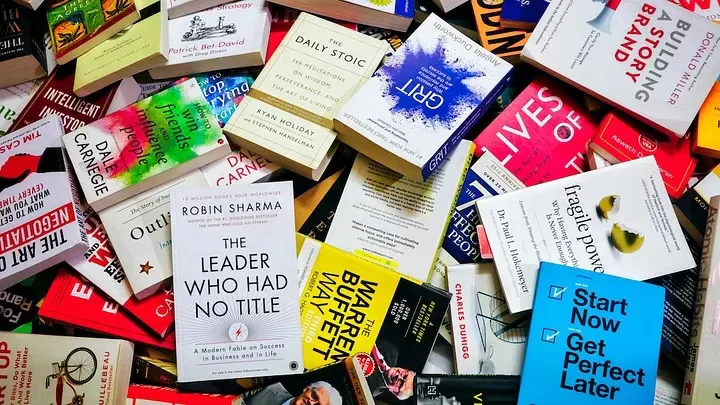
Depending on your learning preferences, books can be a very effective way of learning. Many independent booksellers sell used and collectable books on Biblio. Our Learning Pages Shop has a good selection of new and used books and other learning resources. One of the best search engines for finding books is BookFinder.com.
Anecdotes
Anecdotes are very good for illustrating learning points and introducing concepts. You can find a good selection in our Anecdotes and Fables Collection.
Quotes
Quotes can be used as 'interest-getters' and are very good for illustrating learning points. You can find a good selection in our Quotations Collection where you will also find our Thought for the Day.
Wholistic Learning Resources
Traditional learning involves teaching skills such as reading, writing and arithmetic, which can then be applied more widely.
Wholistic learning starts broadly, for example, with a project and skills are learned during the implementation of that project.
Other People
Watching other people perform a task and making mental notes is a way that we all learn new skills.
It is also a way that animals learn, especially when a mother teaches her young before they can fend for themselves.
Hobbies
A hobby is an activity that a person does regularly for pleasure, relaxation or personal interest, rather than for work or financial gain.
Hobbies have many benefits and can help develop skills or knowledge.
Projects
A project is something that needs to be done, like decorating a room, making clothes or constructing a shed.
Unless you call in experts, it’s unlikely that you’ll have all the necessary skills and knowledge needed to complete the project.
So, you will need to do some research and learn wth practice and experience.
Reflections
Take a few moments to:
- Consider how the resources discussed in this module could be applied in your current training.
- Note any other useful learning resources you have come across.